
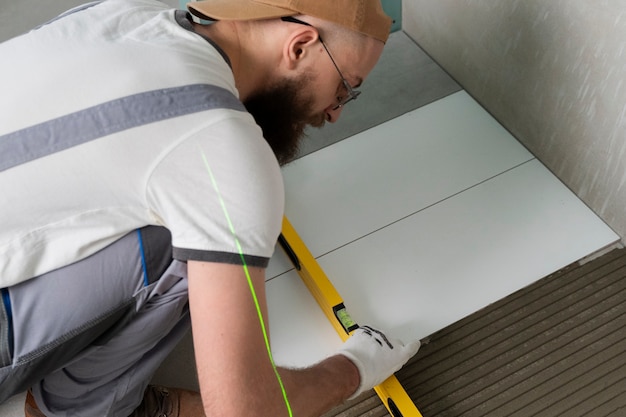
When considering a bathroom renovation, one of the most important aspects is tile installation. The choice and installation of bathroom tiles not only affect the aesthetic appeal but also the functionality and durability of the space. Understanding the factors that influence the price of bathroom tile installation can help in making informed decisions that align with budgetary constraints and design preferences.
Key Factors Influencing Bathroom Tile Installation Costs
Type and Quality of Tiles
The type and quality of tiles chosen for a bathroom remodel significantly impact the overall cost. Options range from affordable ceramic tiles to high-end materials like natural stone or custom-designed tiles. Here are a few considerations:
- Ceramic Tiles: Generally the most cost-effective option, ideal for those with a tighter budget.
- Porcelain Tiles: Slightly more expensive than ceramic, offering increased durability and water resistance.
- Natural Stone Tiles: Options like marble or granite can be quite expensive but provide a luxurious finish.
- Glass Tiles: Often used for decorative purposes, offering a unique aesthetic at a higher price point.
To delve deeper into selecting the right tile type based on budget and style, discover expert strategies here.
Installation Complexity
The complexity of the tile installation can also drive up costs. Factors such as the layout design, the size of the tiles, and the presence of intricate patterns or mosaics can increase labor time and expertise required.
- Simple Layouts: Basic grid patterns are less labor-intensive and therefore more cost-effective.
- Intricate Designs: Patterns such as herringbone or basketweave require precision and more time, thus increasing the cost.
- Mosaic Tiles: Small tiles require meticulous placement, impacting labor costs significantly.
Learn about our tailored solutions to manage installation complexity by visiting this resource.
Bathroom Size and Layout
The size and layout of the bathroom directly affect the quantity of tiles needed and the time required for installation. Larger bathrooms or those with non-standard layouts may incur higher installation costs due to:
- Increased Tile Quantity: More tiles are required for larger spaces, increasing material costs.
- Layout Challenges: Irregular shapes or obstacles can complicate the installation process, affecting labor costs.
Preparation and Additional Materials
Preparation of the surface and additional materials also contribute to the overall cost. Considerations include:
- Surface Preparation: Ensuring the subfloor is level and suitable for tile installation may involve extra work.
- Underlayment: Materials like cement board or waterproof membranes add to both cost and longevity.
- Grout and Sealant: Quality of grout and sealant can affect durability and appearance, with varying price points.
Explore advanced guides and tips on how to prepare surfaces effectively.
Additional Considerations
Labor Costs
Labor is a significant component of tile installation costs. Professional expertise ensures tiles are installed correctly and efficiently. Factors such as geographical location can also influence labor rates.
Long-Term Value
Investing in high-quality materials and professional installation may result in higher upfront costs but can offer long-term value through durability and reduced maintenance needs. To find out more about this approach, visit this page.
Conclusion
Understanding the variables that influence bathroom tile installation prices is crucial for effective budget management and achieving desired outcomes. By considering factors such as tile type, installation complexity, bathroom size, and preparation needs, homeowners can make informed decisions. For comprehensive guidance and tailored solutions, it’s beneficial to explore the resources available.