
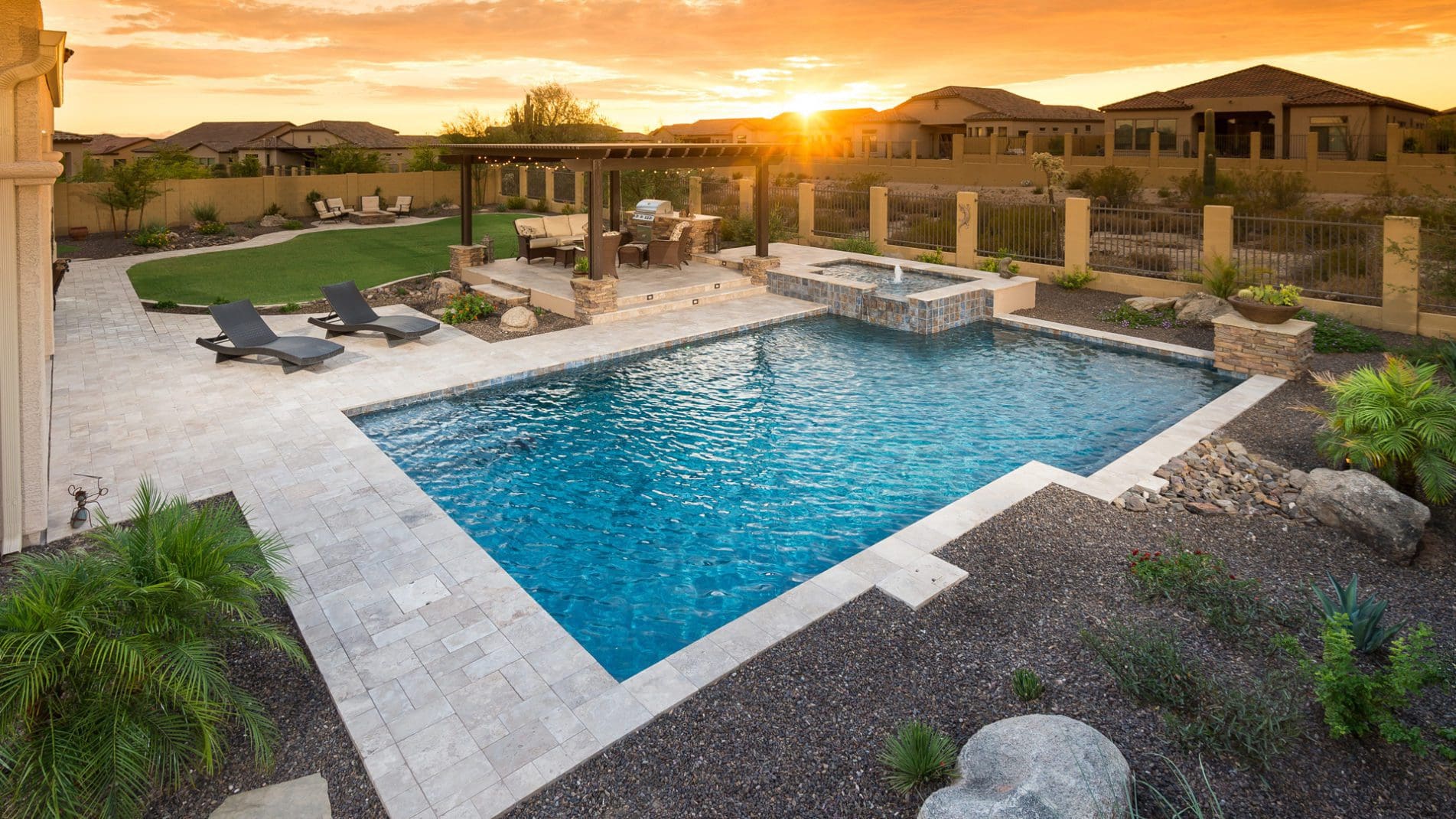
Installing an inground pool is a significant investment that can augment the value of your property and provide countless hours of enjoyment. Determining the cost of such a venture involves various factors that potential pool owners should consider. This guide provides a comprehensive overview of these cost elements to assist in the planning of your dream pool project.
Factors Influencing Inground Pool Cost
When planning for an inground pool, it’s essential to understand the range of factors that influence its cost. By doing so, you can make informed decisions and tailor your project to suit your budgetary constraints and aesthetic desires.
1. Pool Size and Shape
The size and shape of your pool play a pivotal role in the overall cost. Larger pools require more materials and labor, thereby increasing expenses. Similarly, complex shapes or custom designs will also add to the cost due to the higher level of craftsmanship required.
- Standard shapes like rectangular or oval are typically more cost-effective.
- Custom shapes can significantly increase costs due to the intricate design work involved.
2. Material Choices
The choice of materials is another critical factor that impacts cost. Common materials include fiberglass, vinyl, and concrete, each with distinct price points and maintenance requirements.
- Fiberglass: Generally more affordable with lower maintenance costs, but limited in terms of customization.
- Vinyl: Offers moderate pricing with potential for customization but may require more frequent replacements.
- Concrete: Allows for complete customization but tends to be the most expensive and requires significant upkeep.
For more detailed information on material selection, discover expert strategies here.
Additional Features and Enhancements
Beyond the basic pool structure, additional features can enhance both the functionality and aesthetics of your pool, though they will also add to the cost.
1. Heating and Lighting
Including heating systems and lighting can extend the usability of your pool during cooler months and at night. However, these additions will require additional installation and operational expenses.
- Energy-efficient options may offer savings in the long run.
- LED lighting options are popular for their durability and cost-effectiveness.
2. Landscaping and Decking
The area surrounding your pool is just as crucial as the pool itself. Thoughtful landscaping and decking can transform your backyard into a luxurious oasis but will also increase the project?s overall cost.
- Consider durable materials that complement your home?s style.
- Incorporate landscaping that requires minimal maintenance.
Learn about our tailored solutions to find the right balance between aesthetics and cost-efficiency.
Understanding Long-term Costs
While the initial installation costs are important, it?s essential to consider the long-term expenses associated with owning an inground pool.
1. Maintenance and Repairs
Regular maintenance is crucial to keep your pool in optimal condition. This includes cleaning, chemical balancing, and occasional repairs.
- Automated cleaning systems can reduce manual labor and operational costs.
- Regular inspections can help prevent costly repairs.
2. Insurance and Utilities
Adding a pool may affect your homeowner?s insurance premiums and increase utility bills due to water and electricity usage.
- Consult with your insurance provider to understand potential impacts.
- Energy-efficient pumps and covers can help manage utility costs.
For more insights into managing these expenses, explore advanced guides and tips.
Conclusion
Determining the cost of an inground pool involves considering various factors, from size and materials to additional features and long-term expenses. By thoroughly understanding these elements, prospective pool owners can make informed decisions that align with both their desires and financial capabilities. Find out more about this approach to ensure a seamless and successful pool installation experience.