
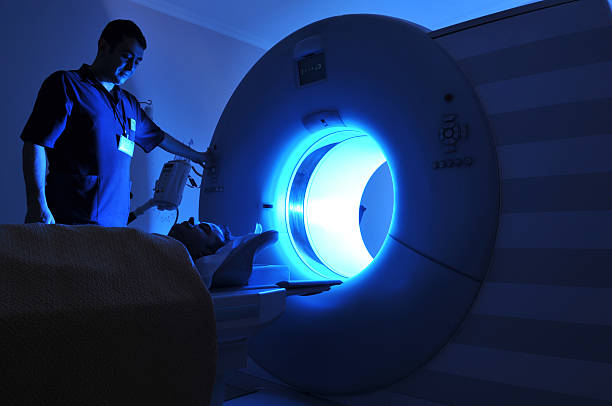
In the modern medical landscape, the precision and accuracy of diagnostic tools are paramount in ensuring effective patient care. Among the myriad of diagnostic techniques available, nuclear medicine scans stand out for their unique ability to provide detailed images of the body’s internal functions. These imaging techniques not only aid in diagnosing a wide array of conditions but also play a crucial role in monitoring treatment efficacy and disease progression. As the demand for cutting-edge diagnostic solutions surges, understanding the importance of nuclear medicine imaging has never been more critical.
Understanding Nuclear Medicine Scans
Nuclear medicine scans involve the use of small amounts of radioactive materials, known as radiotracers, which are introduced into the body. These radiotracers emit gamma rays that are captured by a special camera to create detailed images of the organs and tissues. This type of imaging is particularly effective in detecting abnormalities in the early stages of a disease when treatment options may be more successful.
Key Advantages of Nuclear Medicine Scans
Early Disease Detection
One of the primary benefits of nuclear medicine scans is their ability to detect diseases at an earlier stage than many other imaging modalities. This early detection is vital for:
- Identifying cancers and tumors at an early, more treatable stage.
- Detecting cardiovascular diseases before they progress to more severe stages.
- Assessing organ function, such as kidney or thyroid function, with high accuracy.
Functional Imaging Capabilities
Unlike traditional imaging techniques that provide only structural information, nuclear medicine offers insights into the functional aspects of organs and tissues. This is essential for:
- Evaluating brain disorders, such as Alzheimer’s disease and epilepsy.
- Monitoring the response of tumors to therapy, aiding in treatment adjustments.
- Assessing the metabolic activity of tissues, crucial for accurate diagnosis.
More insights into the functional capabilities of nuclear medicine can be found at this nuclear medicine clinic.
Applications in Various Medical Fields
Oncology
In oncology, nuclear medicine scans are indispensable for:
- Staging cancer, helping to determine the extent of disease spread.
- Guiding biopsy procedures to ensure precise targeting of suspicious areas.
- Evaluating the effectiveness of chemotherapy and radiation therapy.
More information on nuclear medicine imaging in oncology can provide further insights.
Cardiology
Nuclear medicine is also pivotal in cardiology for:
- Assessing coronary artery disease and the effectiveness of interventions.
- Evaluating heart function and diagnosing heart failure.
- Monitoring blood flow and identifying areas of the heart muscle that are not functioning properly.
Explore more about these advanced techniques in medical imaging services.
The Role of Advanced Technology
The integration of advanced technology in nuclear medicine has significantly enhanced its diagnostic capabilities. Techniques such as PET and SPECT provide high-resolution images and are instrumental in:
- Improving diagnostic accuracy and patient outcomes.
- Reducing the need for invasive procedures.
- Offering personalized treatment plans based on precise imaging results.
For further details on advanced diagnostic imaging, visit the provided resource.
Conclusion
Nuclear medicine scans are a cornerstone of modern diagnostic imaging, offering unparalleled insights into the functional and structural aspects of the human body. By enabling early disease detection and providing detailed functional information, these scans facilitate targeted treatment strategies and improved patient outcomes. As technology continues to advance, the importance and applications of nuclear medicine in the healthcare industry are expected to grow, underscoring its value in providing comprehensive radiology imaging services and radiological imaging services that are crucial in modern medical practice.