
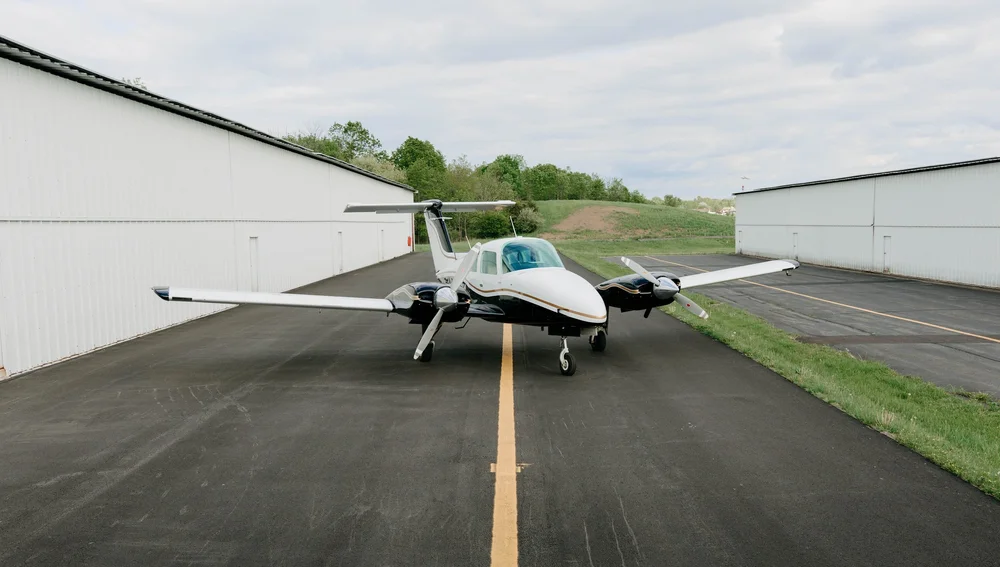
Embarking on a career as a professional pilot is not only about the passion for flying but also about acquiring the requisite skills and knowledge to navigate the skies safely and efficiently. Professional pilot training programs are meticulously designed to equip individuals with the necessary expertise to excel in the aviation industry. From mastering aerodynamics to understanding complex navigation systems, these programs offer a comprehensive curriculum that ensures pilots are well-prepared for the challenges and responsibilities of their role. With the aviation industry continually evolving, staying abreast of the latest advancements and regulations is crucial for any aspiring pilot.
Comprehensive Curriculum
Professional pilot training programs typically encompass a wide array of subjects that are essential for a successful career in aviation. These include:
- Flight Theory: Understanding the principles of flight, including aerodynamics and the mechanics of flight.
- Navigation: Learning to read and interpret navigation charts and use of modern navigation equipment.
- Meteorology: Gaining insights into weather patterns and their impact on flight operations.
- Aircraft Systems: Detailed study of the systems and components of various aircraft types.
- Air Traffic Control Procedures: Familiarization with communication protocols and procedures to ensure safe airspace management.
These subjects are pivotal in ensuring that pilots possess a deep understanding of both theoretical and practical aspects of flying. Read more about this topic.
Advanced Training Techniques
Simulated Flight Training
One of the cornerstones of modern pilot training is the use of simulated flight environments. These simulators replicate real-life flying conditions, allowing trainees to experience various flight scenarios and emergencies without the risks associated with actual flight. This method is invaluable in building confidence and honing decision-making skills in a controlled setting. Learn more in this detailed guide.
Hands-On Experience
While simulators provide a safe environment for learning, hands-on experience in actual aircraft is irreplaceable. Professional pilot training programs integrate substantial in-flight training hours, enabling students to apply what they have learned in real-world conditions. This combination of simulation and actual flight training ensures a well-rounded educational experience. Explore further insights here.
Career Opportunities
Upon completion of a professional pilot training program, a myriad of career opportunities becomes accessible. Some of the prominent paths include:
- Commercial Airline Pilot: Flying passengers and cargo on domestic and international routes.
- Corporate Pilot: Operating private jets or aircraft for corporations and high-net-worth individuals.
- Flight Instructor: Teaching aspiring pilots and sharing expertise with the next generation of aviators.
- Charter Pilot: Providing on-demand flight services to various clients.
The aviation industry offers diverse pathways, each with its own unique set of rewards and challenges. Find additional information here.
Conclusion
Pursuing a career as a professional pilot is a rewarding endeavor that requires dedication, skill, and a commitment to continuous learning. Through comprehensive training programs, aspiring pilots gain the knowledge and experience necessary to succeed in a dynamic and fast-paced industry. By leveraging advanced training techniques and embracing new technologies, these programs prepare individuals for the demands of modern aviation. As the skies continue to beckon, the role of a professional pilot remains as vital and exciting as ever.