
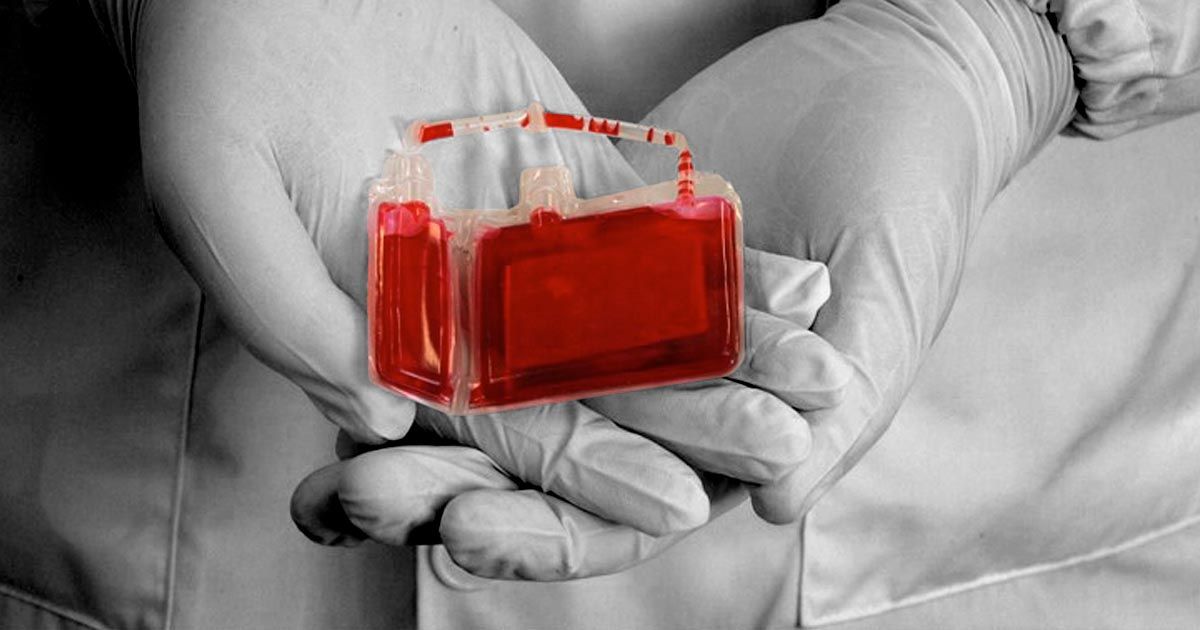
As expectant parents, securing the future health and well-being of your child is a paramount concern. One of the increasingly popular options for achieving this is through private cord blood banking. This process involves collecting and storing the blood from the umbilical cord after birth. Cord blood is rich in stem cells, which can be used to treat a variety of diseases and conditions. In this article, we will explore the benefits, process, and considerations of private cord blood banking to help you make an informed decision.
Understanding Cord Blood and Its Importance
Cord blood is found in the umbilical cord and placenta after childbirth. It is a valuable source of hematopoietic stem cells, which are the building blocks of the blood and immune system. These stem cells can be used to treat:
- Certain types of cancers, including leukemia and lymphoma.
- Blood disorders such as sickle cell anemia and thalassemia.
- Immune system disorders like severe combined immunodeficiency.
The Process of Private Cord Blood Banking
Collection
The process begins immediately after birth. The cord blood is collected using a sterile needle and bag, a procedure that is safe and painless for both mother and baby. The collection process does not interfere with the delivery and can be done in both vaginal and cesarean births.
Processing and Storage
Once collected, the cord blood is sent to a laboratory where it undergoes processing to extract the stem cells. These cells are then cryogenically frozen and stored in a private facility for future use. The storage environment is carefully controlled to ensure the stem cells remain viable for decades.
Benefits of Private Cord Blood Banking
Private cord blood banking offers several advantages:
- Exclusive Access: The stored stem cells are reserved exclusively for the donor family, ensuring immediate availability if needed.
- Genetic Match: The cord blood provides a perfect genetic match for the child and a potential match for siblings and family members.
- Future Potential: As medical research advances, the potential uses for stem cells continue to grow, offering new possibilities for treatment.
Considerations Before Opting for Private Cord Blood Banking
While the benefits are significant, there are certain factors to consider:
- Cost: The initial collection and processing fees, along with annual storage fees, can be substantial.
- Probability of Use: The likelihood of needing the stored stem cells is relatively low, though this may change as more treatments become available.
- Alternative Options: Public cord blood banking is an option where the cord blood is donated for public use, providing potential benefits to a wider community.
Making an Informed Decision
When deciding whether to pursue private cord blood banking, it is essential to weigh the benefits against the costs and consider the long-term health possibilities for your family. Consulting with healthcare providers and researching reputable banking facilities can offer additional guidance. As science evolves, the value of having preserved stem cells may become an integral part of personalized medicine, making the decision today a potentially life-saving one for the future.