
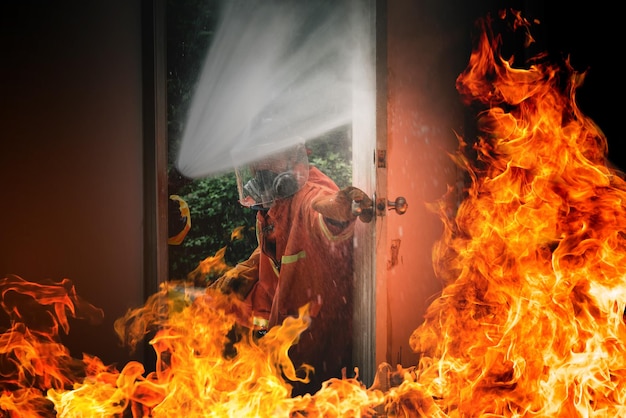
Experiencing a residential fire can be a traumatic event with devastating consequences. Beyond the emotional toll, the physical damage to property necessitates immediate and effective restoration efforts. Reliable residential fire damage restoration services are crucial in helping homeowners recover and restore their homes to their pre-fire condition. This article explores essential aspects of fire damage restoration, including the process, techniques, and considerations for selecting a trustworthy service provider.
Understanding Residential Fire Damage Restoration
Fire damage restoration is a comprehensive process aimed at cleaning, repairing, and restoring a property following a fire. The process involves several critical steps:
- Assessment: A thorough assessment of the damage is conducted to determine the extent of the fire’s impact.
- Securing the Property: Measures are taken to secure the property against further damage, such as boarding up openings and reinforcing structural integrity.
- Water Removal: Water used to extinguish the fire is extracted to prevent further damage and mold growth.
- Smoke and Soot Removal: Advanced techniques are employed to remove smoke residues and soot from surfaces.
- Cleaning and Sanitizing: All affected areas are thoroughly cleaned and sanitized to eliminate odors and harmful residues.
- Repair and Restoration: Repairing structural elements and restoring the property to its original state is the final step.
Choosing a Reliable Restoration Service
When selecting a fire damage restoration service, several factors should be considered to ensure reliability and effectiveness:
- Experience and Expertise: Opt for services with a proven track record in handling residential fire damage restoration.
- Certification: Ensure that the company holds relevant certifications, indicating adherence to industry standards.
- Comprehensive Services: Look for a provider offering a full spectrum of services, from assessment to complete restoration.
- Response Time: Quick response is vital in mitigating damage; choose services known for their rapid response.
- Client Reviews: Review testimonials and feedback from previous clients to gauge the quality of service.
For more detailed considerations in choosing a service provider, learn about our tailored solutions.
Effective Strategies for Fire Damage Restoration
Implementing effective strategies is key to a successful fire damage restoration. Here are some expert strategies that restoration professionals employ:
- Advanced Equipment: Utilizing state-of-the-art equipment for water extraction, drying, and dehumidifying.
- Specialized Cleaning Agents: Employing specialized cleaning agents to remove smoke particles and odor.
- Structural Inspections: Conducting thorough inspections to identify and address hidden structural damage.
- Continuous Monitoring: Monitoring the restoration process to ensure effective progress and adjustments as needed.
For a deeper understanding of these strategies, discover expert strategies here.
Preventative Measures and Future Preparedness
While restoration is critical after a fire, taking preventive measures can minimize the risk of future incidents. Consider these tips:
- Install Smoke Alarms: Ensure smoke alarms are installed and regularly tested throughout the home.
- Create an Evacuation Plan: Develop and practice a clear evacuation plan with all family members.
- Fire-Resistant Materials: Use fire-resistant materials for construction and furnishings where possible.
- Regular Maintenance: Conduct regular maintenance of electrical systems and appliances to prevent malfunctions.
To learn more about prevention and preparedness, explore advanced guides and tips.
In conclusion, reliable residential fire damage restoration is essential for recovery and rebuilding after a fire incident. By understanding the restoration process, choosing the right service provider, and implementing effective strategies, homeowners can ensure their property is restored efficiently and safely. Additionally, taking proactive measures can significantly reduce the likelihood of future fires. For further insights and information on fire damage restoration, find out more about this approach.