
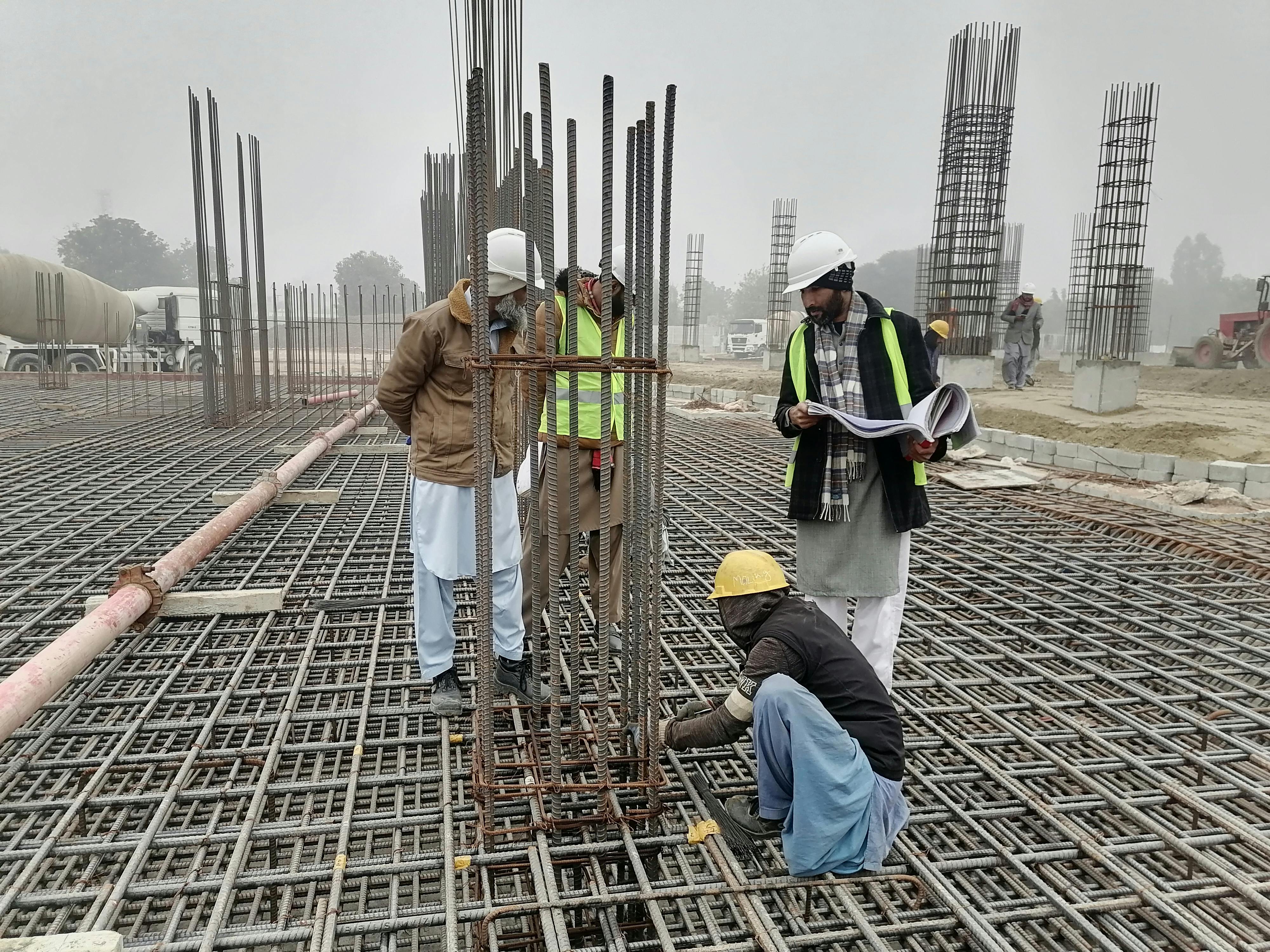
Subdivision infrastructure is a critical component in urban development, where the integration of roads, utilities, and drainage systems plays a pivotal role in creating sustainable and livable communities. The expertise of civil engineers is invaluable in ensuring that these infrastructures are not only functional but also optimized for long-term use. By leveraging advanced techniques and technologies, civil engineers can significantly enhance the efficiency and effectiveness of subdivision developments, ultimately contributing to the greater good of society.
Key Aspects of Subdivision Infrastructure
The design and implementation of subdivision infrastructure involve several critical elements that must be meticulously planned and executed. These include:
- Roadway design and construction
- Utility placement and management
- Stormwater management systems
- Environmental impact assessments
Each of these components requires the specialized knowledge and skills of a subdivision infrastructure civil engineering professional to ensure optimal functionality and compliance with local regulations.
Role of Civil Engineers in Land Development
Civil engineers play a crucial role in the development of land for subdivisions. Their responsibilities extend beyond mere construction oversight, encompassing a broad spectrum of tasks that include designing, planning, and managing projects. By collaborating with architects, planners, and government agencies, civil engineers ensure that the subdivision meets the necessary standards and regulations.
Advanced Planning and Design Techniques
Utilizing cutting-edge technologies and methodologies, civil engineers can create detailed schematics and models that help visualize the project’s potential impact. This approach allows for more effective decision-making and enhances the project’s overall efficiency. Professionals specializing in civil engineer land development Texas are particularly adept at integrating these advanced techniques into their workflow.
Stormwater Management and Environmental Considerations
One of the significant challenges in subdivision infrastructure is managing stormwater runoff and ensuring compliance with environmental standards. Effective stormwater management systems are crucial for preventing flooding and minimizing environmental impact. Stormwater drainage engineering Texas focuses on developing sustainable solutions that address these concerns, ensuring that the infrastructure can withstand varying weather conditions.
FEMA Compliance and Floodplain Analysis
Many subdivisions are located near floodplains, requiring meticulous planning and analysis to prevent potential flooding issues. Civil engineers conduct FEMA floodplain analysis CLOMR LOMR Texas to ensure that the proposed infrastructure is compliant with federal standards and capable of mitigating flood risks.
Choosing the Right Civil Engineering Firm
When it comes to developing a subdivision, choosing a reputable site development civil engineering firm is essential. Such firms bring a wealth of experience and a comprehensive understanding of the complexities involved in infrastructure development.
- Proven track record in successful project completions.
- Expertise in local regulations and compliance requirements.
- Advanced technological capabilities for project planning and execution.
By selecting a firm with a proven history of excellence, developers can ensure that their subdivision projects are completed on time, within budget, and to the highest quality standards.
Conclusion
The role of civil engineering in optimizing subdivision infrastructure cannot be overstated. From planning and design to execution and compliance, civil engineers provide the expertise needed to create functional, sustainable, and resilient communities. By leveraging civil engineering services Texas, developers can ensure that their projects meet the demands of modern urban living while adhering to stringent environmental and regulatory standards.