
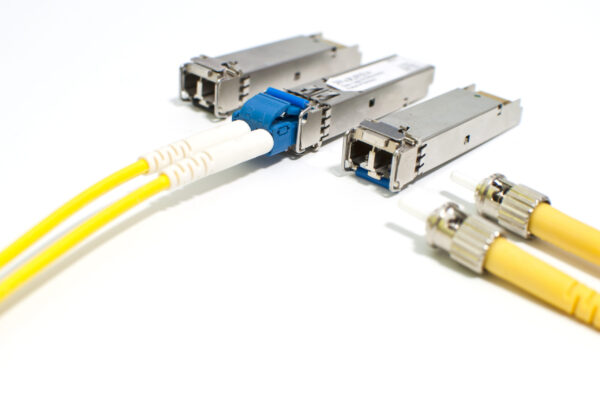
In the ever-evolving landscape of telecommunications, the role of high-speed optical communication experts has become increasingly crucial. These specialists are at the forefront of developing and optimizing technologies that enable faster, more reliable data transfer over vast distances. As data demand continues to surge, the expertise of these professionals is pivotal in shaping the future of global connectivity.
The Role of Optical Communication Experts
Optical communication experts are responsible for designing, implementing, and maintaining systems that utilize light to transmit information. This method of data transmission is not only faster but also more efficient and has a higher capacity than traditional electronic methods. Their work involves:
- Developing innovative solutions to enhance data transfer speed and efficiency.
- Ensuring the reliability and security of communication networks.
- Integrating new technologies into existing infrastructure seamlessly.
- Conducting research to advance optical communication technologies.
For an in-depth exploration of these roles, read more about this topic.
Key Technologies in Optical Communication
Fiber Optics
Fiber optics is the backbone of high-speed optical communication. It involves the use of thin glass or plastic fibers to transmit light signals over long distances with minimal loss. This technology is critical for high-speed internet and has numerous applications in various sectors.
- High bandwidth capabilities allow for faster data transmission.
- Reduced signal degradation over long distances.
- High resistance to electromagnetic interference.
Explore further insights here on fiber optics and its applications.
Wavelength Division Multiplexing (WDM)
WDM is a technique used to increase bandwidth by allowing different data streams to be sent simultaneously over a single optical fiber. This is achieved by using different wavelengths (or colors) of laser light for each stream.
- Enhances the capacity of existing fiber networks without additional infrastructure.
- Facilitates increased data transmission capabilities.
- Supports scalable and flexible network design.
To learn more about WDM, find additional information here.
Future Trends in Optical Communication
As demand for data continues to escalate, the field of optical communication is poised for significant advancements. Some key trends include:
Integration of Artificial Intelligence
AI is being increasingly integrated into optical networks to optimize performance and manage complex systems. It enables predictive maintenance and enhances network efficiency.
Quantum Communication
Quantum communication promises ultra-secure data transmission through quantum encryption. This emerging field holds the potential to revolutionize data security in optical networks.
For a comprehensive guide on future trends in optical communication, learn more in this detailed guide.
In conclusion, high-speed optical communication experts play a vital role in advancing technology that supports the growing demand for data. Their expertise is essential in developing innovative solutions that ensure faster, more reliable, and secure communication networks. As technology evolves, these professionals will continue to drive progress in this dynamic field. For more insights and information, explore further insights here.