
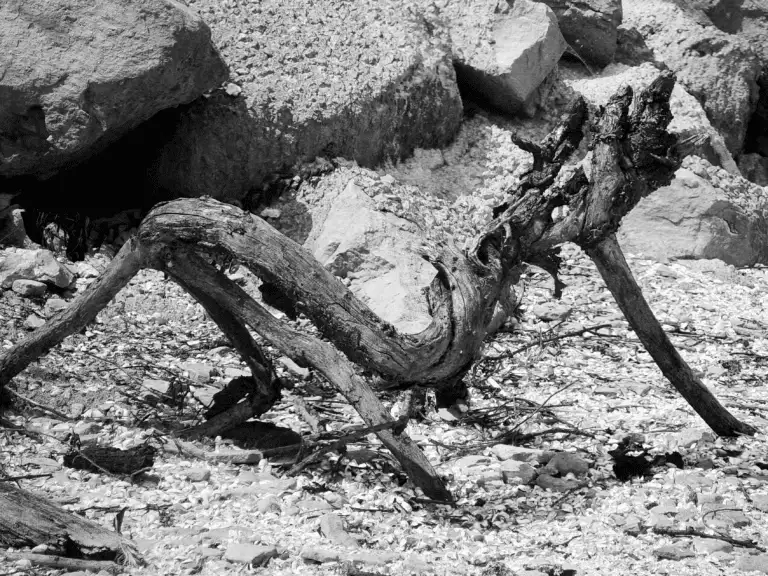
Fine art photography prints have long captivated audiences with their ability to convey emotions, tell stories, and capture the beauty of the world in a single frame. As a realm where creativity meets technical prowess, fine art photography offers a unique perspective that transcends traditional photography. Through careful composition, lighting, and post-processing techniques, photographers can transform ordinary scenes into extraordinary works of art. This exploration delves into the nuances of fine art photography prints, offering insights into the artistic processes and considerations that shape this captivating medium.
The Essence of Fine Art Photography
Fine art photography is distinguished by its focus on aesthetic qualities and artistic expression. Unlike commercial photography, which often prioritizes the subject’s functionality or promotional aspects, fine art photography emphasizes personal vision and creativity. This genre is characterized by:
- A strong emphasis on composition and framing.
- The use of light and shadow to create mood and depth.
- An exploration of themes and concepts that resonate on a personal level.
- Post-processing techniques that enhance the artist’s vision.
Choosing the Right Fine Art Photography Prints
Understanding Styles and Themes
When selecting fine art photography prints, it’s crucial to consider the style and theme that resonate with your personal aesthetic. Whether it”?s landscapes, portraits, or abstract compositions, each print carries its own narrative and emotional weight. To dive deeper into selecting the right style, explore advanced guides and tips that unravel the nuances of various themes.
Quality and Authenticity
The quality of a fine art print is paramount. High-resolution images printed on archival-quality paper ensure longevity and vibrancy. It’s important to verify the authenticity of the print, often indicated by the artist’s signature or a certificate of authenticity. Find out more about this approach to ensure your investment is both genuine and enduring.
The Role of Technology in Fine Art Photography
Technology plays a critical role in the creation and distribution of fine art photography prints. From high-resolution cameras to sophisticated editing software, technological advancements have broadened the horizons for artists. Digital platforms also provide a global stage for artists to showcase their work. Discover expert strategies here on leveraging technology to enhance and share artistic creations.
Displaying Fine Art Photography Prints
Displaying fine art photography prints is an art form in itself. The choice of framing, lighting, and placement can significantly influence the viewer’s experience. Consider these factors to create a gallery-like atmosphere in your own space:
- Choose a frame that complements the artwork without overpowering it.
- Use appropriate lighting to highlight details and enhance colors.
- Consider the wall color and surrounding decor to create a cohesive look.
For more detailed advice on displaying art, learn about our tailored solutions that cater to diverse aesthetic preferences.
Conclusion
Fine art photography prints offer a unique blend of beauty, emotion, and technical skill. Whether you are an avid collector or a budding enthusiast, understanding the intricacies of this art form can enrich your appreciation and enhance your collection. By considering style, quality, and display techniques, one can curate a collection that reflects personal taste and artistic appreciation. For further insights into fine art photography, visit Hatch Photo Artistry to explore a wealth of resources and inspiration.