
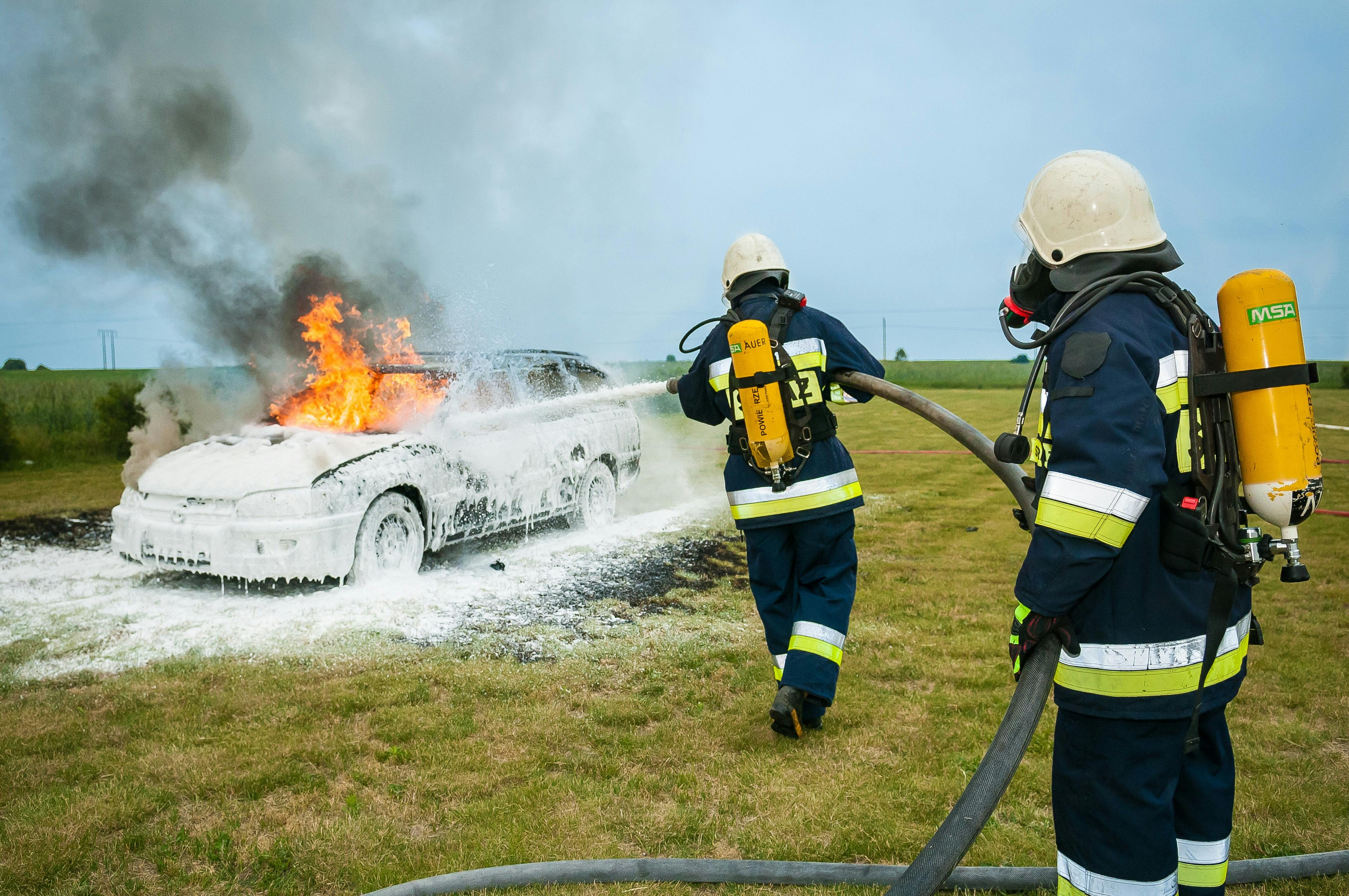
Experiencing fire damage can be a devastating event for any property owner. The immediate aftermath of a fire involves addressing both visible and hidden damages, which can be overwhelming without proper guidance. Effective fire damage restoration services play a crucial role in not only restoring the structural integrity of a property but also ensuring the safety and well-being of its inhabitants. This article explores the essential aspects of fire damage restoration and offers insights into how professional services can help in reviving your property.
Understanding Fire Damage
Fire damage is multifaceted, including several types of harm that require different restoration approaches.
- Smoke Damage: Residual smoke can cause persistent odors and discoloration.
- Soot Damage: Fine particles that can corrode surfaces and contaminate air quality.
- Water Damage: Resulting from firefighting efforts, leading to mold and structural issues.
- Structural Damage: Compromised building materials that need prompt attention.
The Importance of Professional Fire Damage Restoration
Engaging with professional restoration services ensures a comprehensive approach to recovery. Discover expert strategies here.
Why Choose Professional Services?
- Expert Assessment: Professionals conduct a thorough inspection to determine the extent of the damage.
- Advanced Equipment: Utilization of modern tools and technology for effective restoration.
- Safety Compliance: Adherence to safety standards to protect both the property and its occupants.
- Efficient Processes: Streamlined methods to expedite the restoration process.
Steps in the Restoration Process
The fire damage restoration process is systematic and involves several key stages. Learn about our tailored solutions here.
- Initial Assessment: A detailed evaluation to plan the restoration strategy.
- Debris Removal: Safe removal of damaged materials to clear the affected area.
- Smoke and Soot Cleanup: Specialized cleaning to eliminate residues and odors.
- Water Extraction: Removal of excess water and moisture control to prevent mold growth.
- Repair and Reconstruction: Restoration of structures and replacement of damaged components.
Preventive Measures and Maintenance
Implementing preventive measures can significantly reduce the risk of fire damage. Explore advanced guides and tips here.
Key Preventive Steps
- Regular Inspections: Conduct routine checks of electrical systems and appliances.
- Fire Alarms: Install and maintain functional smoke detectors throughout the property.
- Fire Extinguishers: Keep accessible and regularly serviced extinguishers on-site.
- Evacuation Plans: Develop and practice emergency evacuation procedures.
Conclusion
Fire damage restoration is a critical process that demands expertise and precision. By engaging with professional services, property owners can ensure a thorough recovery, restoring safety and normalcy. Find out more about this approach here. Prioritizing expert intervention not only salvages property but also provides peace of mind during a challenging time.