
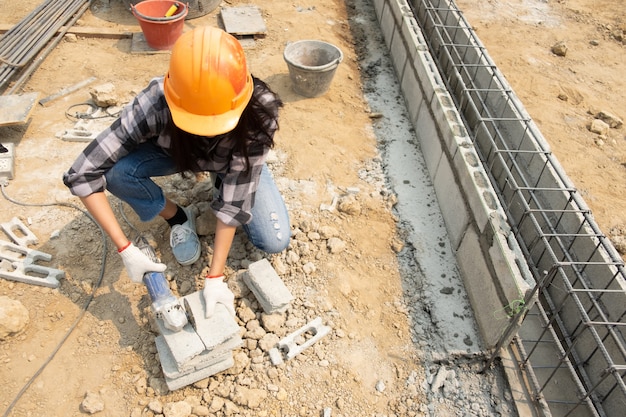
Foundation underpinning is a crucial process for maintaining the structural integrity of a building. With various methods available, choosing the appropriate underpinning service can be a daunting task. The right solution depends on factors such as soil type, building structure, and the extent of foundation damage. This article delves into the different underpinning services available, providing insights to help readers make informed decisions. To explore advanced guides and tips on foundation underpinning, one can learn about our tailored solutions.
Types of Foundation Underpinning Services
Underpinning methods are designed to address specific issues related to foundation stability. Here are some common types:
Mass Concrete Underpinning
This traditional method involves extending the foundation depth or breadth by pouring concrete under the existing foundation. It’s ideal for:
- Structures with minor settlement issues.
- Buildings with simple foundation designs.
- Sites where soil conditions are stable.
Beam and Base Underpinning
A modern adaptation, beam and base underpinning, uses reinforced concrete beams to distribute the building’s load. This method is suitable for:
- Structures requiring enhanced load distribution.
- Buildings with uneven settlement patterns.
To discover expert strategies here that align with specific structural needs, consider consulting with professionals who understand the intricacies involved in this process.
Mini-Piled Underpinning
Mini-piled underpinning is perfect for sites with restricted access or deep foundations. It involves driving small-diameter piles around the structure to support the load. This service is best for:
- Buildings located in urban areas with limited space.
- Structures on unstable or varying soil types.
Choosing the Right Underpinning Method
Selecting the appropriate underpinning method requires evaluating the building’s condition, soil type, and environmental factors. Here are key considerations:
- Building Assessment: A thorough inspection to identify the extent of the damage and the underlying cause.
- Soil Analysis: Understanding soil composition and stability is essential to determine the most effective underpinning method.
- Budget and Time Constraints: Different methods vary in cost and time, impacting project planning and execution.
Find out more about this approach by consulting detailed resources on the subject, such as those available at Explore advanced guides and tips.
Advantages of Professional Underpinning Services
Opting for professional underpinning services offers several benefits:
- Expertise and Experience: Professionals possess the knowledge to assess and implement the right solutions.
- Quality Assurance: Certified services ensure that the underpinning is performed to the highest standards.
- Long-term Stability: Proper underpinning enhances structural integrity, reducing future repair needs.
To learn about our tailored solutions that offer such advantages, consider engaging with professionals who can provide customized strategies.
Conclusion
Determining the appropriate foundation underpinning service requires careful consideration of various factors, including building design, soil condition, and budget constraints. By understanding the different underpinning methods and their applications, property owners can make informed decisions that ensure their buildings’ safety and longevity. For those seeking comprehensive information and support, Explore advanced guides and tips that provide in-depth knowledge and expert advice.