
Dealing with mold in crawl spaces is a common issue that many homeowners face. Mold growth in these areas can lead to serious health problems and structural damage if not addressed promptly. It is essential to consider effective and affordable remediation options that can help maintain a safe and healthy environment in your home. Understanding the causes of crawl space mold and exploring cost-effective solutions is key to preventing and managing this issue effectively.
Understanding Crawl Space Mold
Mold thrives in damp, dark environments, making crawl spaces particularly susceptible. The presence of moisture due to poor ventilation, plumbing leaks, or inadequate drainage can create a perfect breeding ground for mold. Once mold establishes itself, it can spread quickly, compromising indoor air quality and posing health risks to occupants.
Affordable Mold Remediation Options
Tackling mold in crawl spaces does not have to be an expensive endeavor. There are numerous cost-effective strategies that can be employed to address this issue:
- Improve Ventilation: Enhancing air circulation can significantly reduce moisture levels. Installing vents or fans can help keep the area dry and prevent mold growth.
- Seal Cracks and Openings: Identifying and sealing any cracks in the foundation or walls can prevent water intrusion, reducing the likelihood of mold formation.
- Use Dehumidifiers: A dehumidifier can be a valuable tool in controlling humidity levels in crawl spaces. This is an effective way to maintain a dry environment and deter mold growth.
- Regular Inspections: Conducting regular inspections can help identify potential moisture problems early, allowing for timely intervention before mold develops.
Explore advanced guides and tips to ensure that these preventive measures are applied effectively. Learn about tailored solutions that can help in your specific situation.
Natural Remedies for Mold Remediation
In addition to mechanical solutions, there are several natural remedies that can be effective in treating mold:
- Vinegar: White vinegar is a natural antifungal and antibacterial solution. Applying it directly to moldy areas can help remove mold and prevent its return.
- Baking Soda: Mixing baking soda with water creates a gentle abrasive that can be used to scrub mold off surfaces. It also helps neutralize odors.
- Tea Tree Oil: Known for its antimicrobial properties, tea tree oil can be mixed with water and sprayed onto affected areas to combat mold growth.
Find out more about this approach and how it can be integrated into a comprehensive mold remediation plan. Discover expert strategies here.
When to Consider Professional Help
While DIY solutions can be effective, there are situations where professional intervention is advisable:
- Extensive mold growth that covers large areas.
- Recurring mold problems despite previous remediation efforts.
- Presence of toxic mold varieties, such as black mold.
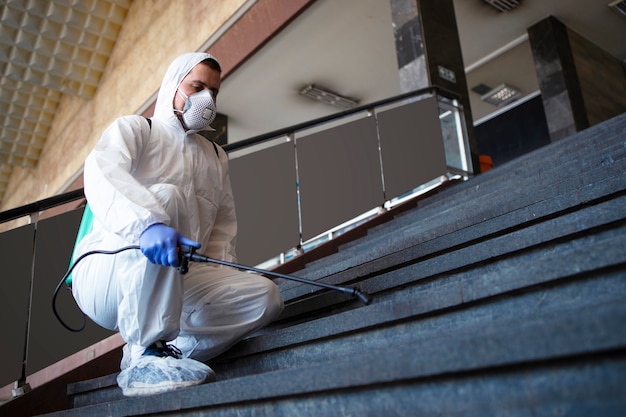
Professional mold remediation services come equipped with specialized tools and expertise to address severe infestations safely and effectively. Explore advanced guides and tips to understand the benefits of professional assistance in complex cases.
Conclusion
Addressing mold in crawl spaces is crucial for maintaining a healthy living environment. By employing both preventive measures and natural remedies, homeowners can manage mold growth cost-effectively. In cases where mold issues persist or are particularly severe, seeking professional help is recommended. For more information on effective mold remediation strategies, explore advanced guides and tips that align with your specific needs.