
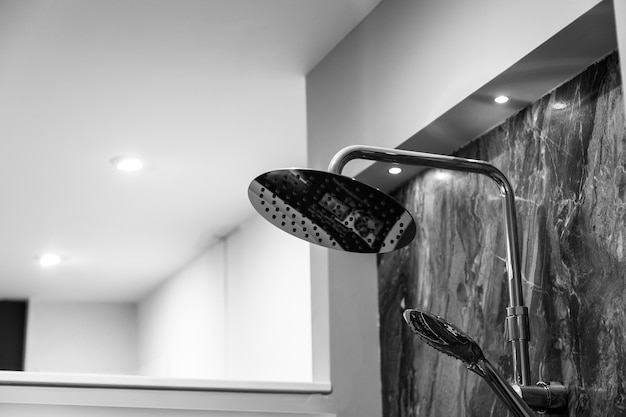
Transforming a bathtub into a shower can be a significant home improvement project, offering both aesthetic and functional benefits. As lifestyles evolve, many homeowners opt for this conversion for convenience, safety, and style. However, understanding the costs involved is crucial for effective budgeting and planning. This guide will provide an in-depth look at the factors influencing the cost of converting a bathtub into a shower, along with strategies to ensure affordability without compromising on quality.
Understanding the Cost Components
Several factors contribute to the overall cost of a bath to shower conversion. Recognizing these elements can help in making informed decisions:
- Materials Used: The choice of materials significantly impacts cost. Options range from basic acrylic and fiberglass to more luxurious tiles and stone.
- Labor Costs: Since professional installation is often required, labor costs can vary based on geographical location and the complexity of the project.
- Design and Customization: Unique design elements or custom features can add to the expense. Simple, standard designs will generally be more budget-friendly.
- Plumbing Adjustments: Alterations in plumbing configurations can increase costs, especially if significant changes are needed to fit the new shower.
Cost-Effective Strategies for Conversion
For those aiming to manage expenses, several strategies can help reduce costs without sacrificing quality. Discover expert strategies here:
- Opt for prefabricated shower kits, which can be less expensive than custom designs.
- Keep plumbing in its original location to avoid extra costs associated with moving pipes.
- Choose durable yet affordable materials like acrylic or fiberglass for the shower base and walls.
- Consider a partial conversion, like converting only a portion of the tub area into a shower space.
Budgeting for Your Project
Creating a detailed budget is a crucial step in managing a bath to shower conversion. This involves estimating both expected and unforeseen expenses. Learn about our tailored solutions for effective budget planning:
- Start with a realistic assessment of your financial capacity and set a maximum budget.
- Include a contingency fund for unexpected expenses, typically around 10-20% of the total budget.
- Research and compare quotes from multiple contractors to ensure competitive pricing.
- Prioritize essential features over luxury items if working with a limited budget.
Choosing the Right Contractor
Selecting a qualified contractor is vital to the success of your conversion project. Here are some tips to guide your choice:
- Check for credentials and experience in bathroom remodeling, specifically in bath to shower conversions.
- Read reviews and seek recommendations from previous clients.
- Request a detailed estimate and timeline for project completion.
- Ensure the contractor is insured and offers a warranty for their work.
For more information on selecting the best contractor for your needs, explore advanced guides and tips.
Conclusion
Converting a bathtub into a shower is a valuable investment that can enhance the functionality and appearance of a bathroom. While costs can vary based on numerous factors, understanding these components and implementing cost-saving strategies can make the process more affordable. For those seeking to embark on this transformation journey, detailed planning and professional guidance are key. Find out more about this approach to ensure a successful and budget-friendly conversion.