
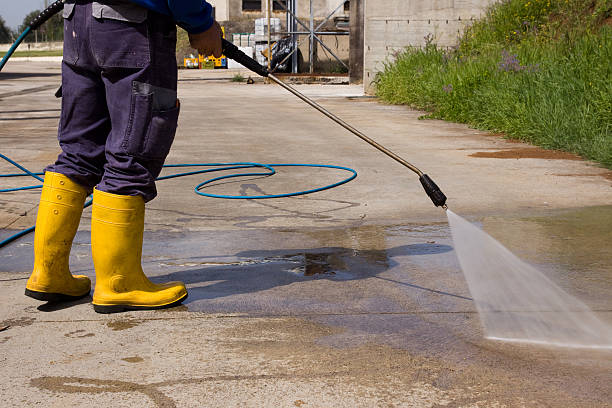
Concrete surfaces such as driveways, patios, and garage floors are constantly exposed to oil stains, mold, and the inevitable wear caused by foot traffic. Over time, these contaminants not only diminish curb-appeal but can also compromise the integrity of the material. Pressure cleaning, when performed correctly, restores the original appearance, prolongs the lifespan of the concrete, and creates a safer environment for family members and guests. Understanding the process, equipment, and best practices is essential for any homeowner seeking a durable, high-impact clean.
Why Pressure Cleaning Is Essential for Residential Concrete
Concrete is porous, meaning it readily absorbs dirt, chemicals, and organic growth. Without regular maintenance, these substances can:
- Accelerate surface erosion and lead to cracks.
- Cause slippery conditions, especially when algae or moss accumulate.
- Stain permanently, reducing property value.
- Harbor allergens that affect indoor air quality.
Professional-grade pressure cleaning removes these embedded contaminants efficiently, delivering a surface that looks freshly poured while preserving structural strength.
Key Components of an Effective Concrete Pressure Cleaning Plan
1. Proper Equipment Selection
Choosing the right pressure washer is critical. Residential projects typically require a machine delivering 2,500-3,500 PSI (pounds per square inch) and a flow rate of 2.5-4.0 GPM (gallons per minute). Higher pressure can etch the surface, while insufficient pressure fails to dislodge stubborn grime.
2. Appropriate Cleaning Agents
Detergents formulated for concrete break down oil, grease, and organic matter without damaging the substrate. Biodegradable, pH-balanced solutions are preferred for environmental safety.
3. Technique and Timing
Effective cleaning follows a systematic approach:
- Pre-rinse to remove loose debris.
- Apply detergent and allow a dwell time of 5-10 minutes.
- Scrub high-traffic zones with a soft-bristle brush.
- Rinse using a consistent, overlapping spray pattern.
Step-by-Step Guide to Pressure Cleaning Your Concrete
For homeowners comfortable with DIY projects, the following checklist provides a clear roadmap. Detailed instructions can be found at Discover expert strategies here.
- Gather Materials: Pressure washer, concrete-safe detergent, protective eyewear, non-slip footwear, and a garden hose.
- Prepare the Area: Remove vehicles, furniture, and plants. Sweep the surface to eliminate loose grit.
- Connect and Test: Attach the hose, fill the detergent tank, and test the spray on a small, inconspicuous spot.
- Apply Detergent: Evenly coat the concrete, working in sections no larger than 10″?ft??.
- Agitate Stubborn Stains: Use a long-handled brush for oil spots or tire marks.
- Rinse Thoroughly: Start at the highest point and move downward, ensuring no residue remains.
- Inspect and Repeat: Examine the surface; repeat the process on any remaining discoloration.
Benefits of Professional-Grade Services
While DIY methods are feasible, professional services bring additional advantages that can be especially valuable for larger properties or complex stain patterns. For instance, technicians often have access to hot-water systems that dissolve deep-set contaminants more effectively. Moreover, they adhere to local environmental regulations regarding water runoff and chemical disposal.
Homeowners interested in a comprehensive solution may Learn about our tailored solutions. This approach ensures optimal results with minimal risk of surface damage.
Maintenance Tips to Extend the Life of Clean Concrete
After a successful pressure cleaning, regular upkeep preserves the fresh appearance:
- Seal the surface with a breathable concrete sealer every 12-18 months.
- Promptly remove oil spills using absorbent powders before they set.
- Schedule seasonal rinses, especially after heavy rain or snow melt.
- Trim nearby vegetation to prevent leaf litter and mold growth.
For a deeper dive into ongoing care, Explore advanced guides and tips.
Safety Considerations During Pressure Cleaning
High-pressure water streams can cause injury if mishandled. Follow these safety protocols:
- Wear waterproof gloves and safety goggles.
- Never point the nozzle at people, pets, or electrical outlets.
- Maintain a distance of at least 12 inches from the surface for the first pass.
- Use a low-angle spray (30-45 degrees) to avoid surface gouging.
Choosing the Right Service Provider
When evaluating local contractors, consider the following criteria:
- Certification and experience with residential concrete.
- Transparent pricing and detailed service outlines.
- Positive client testimonials and portfolio examples.
- Commitment to environmentally responsible cleaning agents.
Additional information on selecting a reputable provider can be found at Find out more about this approach.
Conclusion
Concrete pressure cleaning is a powerful, cost-effective method for restoring the visual appeal and structural resilience of residential surfaces. By understanding the equipment, techniques, and maintenance practices outlined above, homeowners can achieve professional-grade results, whether tackling the project themselves or partnering with a skilled specialist. Regular cleaning, combined with proper sealing and timely stain removal, safeguards the investment and keeps outdoor living spaces inviting for years to come.