
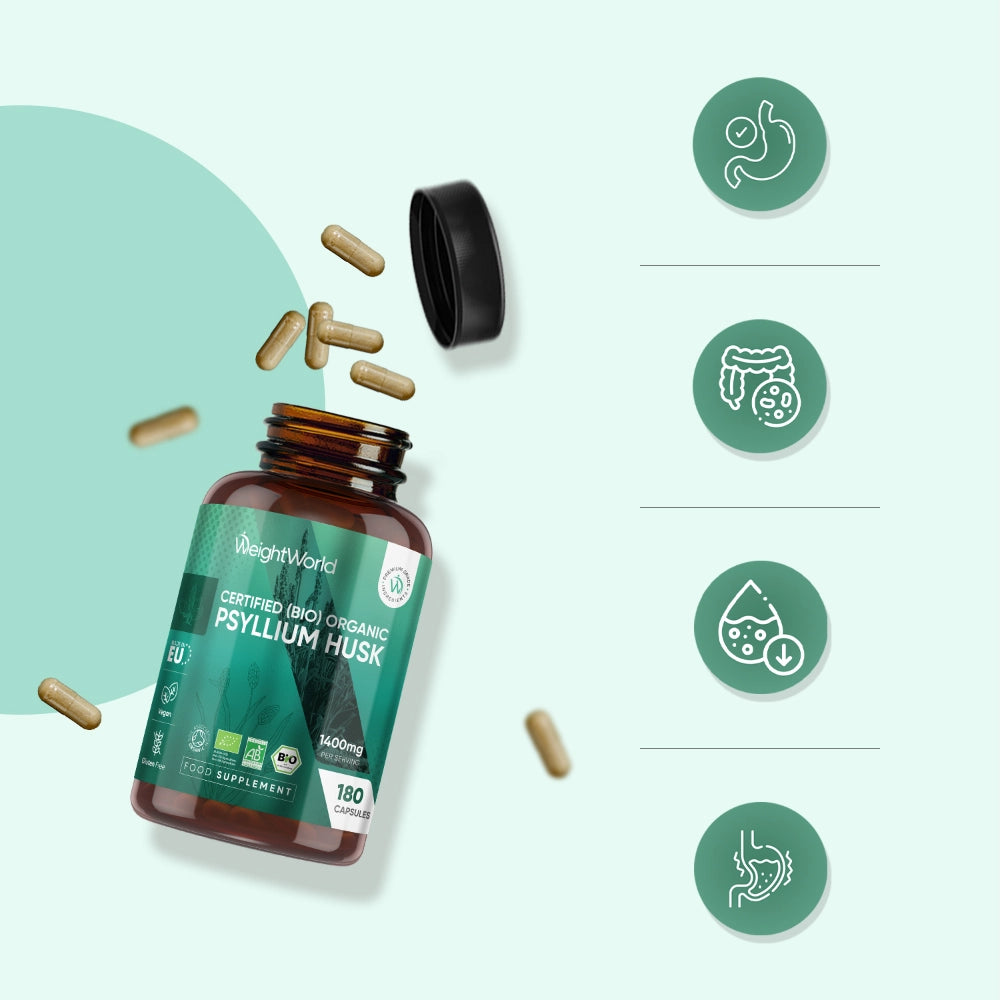
Choosing the right psyllium husk supplement can feel overwhelming, especially with a market saturated by varying claims and formulations. Psyllium husk capsules offer a convenient, measured dose of soluble fiber that supports digestive health, heart health, and weight management. This guide breaks down the essential criteria for selecting a high-quality product, highlights the health benefits you can expect, and provides practical tips for integrating capsules into a daily routine. By focusing on ingredient integrity, manufacturing standards, and personal health goals, it becomes easier to make an informed decision that aligns with a holistic wellness plan.
Understanding Psyllium Husk Capsules
What Is Psyllium Husk?
Psyllium husk is derived from the outer coating of Plantago ovata seeds. It is rich in soluble fiber that absorbs water, forming a gel-like substance in the gastrointestinal tract. This gel helps to:
- Regulate bowel movements by softening stool.
- Support cholesterol management through bile acid binding.
- Promote a feeling of fullness, assisting with appetite control.
How Capsules Differ from Powder
While bulk powder can be mixed into liquids, capsules provide a pre-measured dose, eliminating the need for preparation. Capsules also protect the fiber from moisture and oxidation, preserving potency over time. For individuals with busy schedules, capsules are often the preferred format.
Key Factors to Consider When Choosing
- Dosage per Capsule: Typical products contain 500″?mg-1,400″?mg of psyllium husk. Evaluate daily fiber goals and choose a dosage that fits your regimen without exceeding recommended fiber intake.
- Organic Certification: Look for certifications that confirm the husk is grown without synthetic pesticides or GMOs. Organic sourcing often correlates with higher purity.
- Purity of Ingredients: The label should list 100″?% psyllium husk with no fillers, artificial colors, or unnecessary binders.
- Capsule Material: Vegetarian-friendly (cellulose) capsules are preferable for those avoiding gelatin.
- Third-Party Testing: Independent lab verification ensures the product meets label claims for potency and is free from contaminants.
- Manufacturing Standards: Facilities adhering to GMP (Good Manufacturing Practices) provide an additional layer of quality assurance.
Evaluating Product Quality
When a product meets the criteria above, it often stands out on reputable retail platforms. For a deeper dive into quality metrics, Discover expert strategies here. The following checklist can guide the evaluation process:
- Clear, legible ingredient list with exact percentages.
- Transparent sourcing information, including the region where the psyllium is harvested.
- Presence of a batch number and expiration date on the packaging.
- Positive third-party certification logos (e.g., USDA Organic, ISO 9001).
Health Benefits and Use Cases
Incorporating psyllium husk capsules into a balanced diet can yield multiple health advantages. Relevant research supports the following outcomes:
- Digestive Regularity: The gel-forming fiber adds bulk to stool, easing passage through the colon.
- Cholesterol Reduction: Soluble fiber binds to bile acids, facilitating their excretion and prompting the liver to use circulating cholesterol to produce new bile.
- Blood Sugar Stabilization: Slowed carbohydrate absorption helps mitigate post-meal glucose spikes.
- Weight Management: Prolonged satiety can reduce overall caloric intake.
Potential Side Effects and Precautions
While generally safe, psyllium husk can cause mild gastrointestinal discomfort if not taken correctly. Consider the following precautions:
- Always consume capsules with a full glass of water (at least 250″?ml) to prevent esophageal blockage.
- Start with a lower dose and gradually increase to allow the gut microbiota to adapt.
- Individuals with bowel obstruction, severe constipation, or swallowing disorders should consult a healthcare professional before use.
- Those on medication for cholesterol or diabetes should monitor levels, as fiber may enhance therapeutic effects.
How to Incorporate Capsules Into a Daily Routine
Integrating psyllium husk capsules is straightforward when following a consistent schedule:
- Morning: Take one capsule with breakfast water to kick-start fiber intake.
- Midday: If additional fiber is needed, a second capsule can be paired with lunch.
- Evening: For those targeting cholesterol management, a final dose after dinner may be beneficial.
Adjust timing based on personal tolerance and dietary patterns. For comprehensive guidance on timing and dosage, Learn about our tailored solutions.
Comparing Popular Options
Several brands market psyllium husk capsules, but differentiation often hinges on sourcing, dosage, and certification. A side-by-side comparison of key attributes can clarify which product aligns best with individual priorities. For an in-depth comparison, Explore advanced guides and tips.
Final Recommendations
Choosing the best psyllium husk capsules involves balancing dosage, purity, and manufacturing credibility. Prioritize products that are:
- Certified organic and free from unnecessary additives.
- Supported by third-party lab results confirming fiber content.
- Encased in vegetarian-friendly capsules for broader dietary compatibility.
By adhering to these standards, the selected supplement can effectively contribute to digestive health, cardiovascular support, and weight management goals. For a product that meets these criteria and offers transparent information, Find out more about this approach. Consistent use, paired with adequate hydration and a balanced diet, will maximize the benefits of psyllium husk capsules and support long-term wellness.