
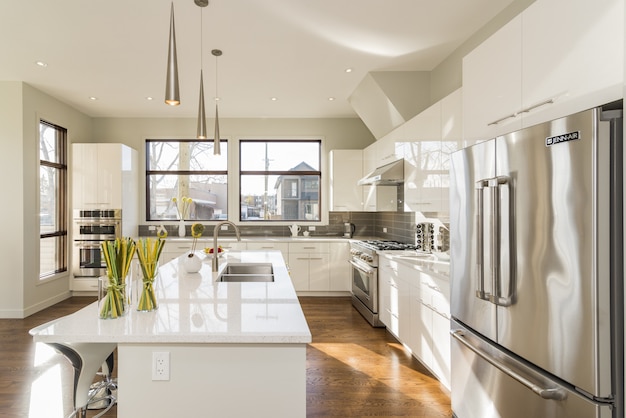
When embarking on a kitchen renovation, one of the most significant elements to consider is the cost of kitchen cabinets. Cabinets not only serve as the cornerstone for functionality but also contribute immensely to the aesthetics of your kitchen space. Understanding the cost implications can help you budget effectively and ensure that your renovation project stays on track. It is crucial to explore various options and make informed decisions to achieve both practical and visual harmony in your kitchen. This article will delve into the factors that influence kitchen cabinet costs and provide guidance on how to budget for your project.
Factors Influencing Kitchen Cabinet Costs
Several factors come into play when determining the cost of kitchen cabinets. It’s important to consider these elements to understand the range of pricing and align it with your budget.
Material Selection
- Wood: A popular choice due to its durability and variety of finishes. However, it tends to be more expensive.
- Plywood: Offers a good balance between cost and strength, often used as an economical alternative to solid wood.
- Medium Density Fiberboard (MDF): A budget-friendly option with a smooth surface ideal for painting.
- Laminate: Known for its affordability and variety of colors, but lacks the depth of natural materials.
Choosing the appropriate material is paramount. Discover expert strategies here to match your aesthetic preferences with your budget.
Cabinet Design and Style
- Stock Cabinets: Pre-manufactured and come in standard sizes, offering the most cost-effective option.
- Semi-Custom Cabinets: Provide more flexibility in design and size, allowing for some personalization.
- Custom Cabinets: Completely bespoke, designed to fit your specific kitchen dimensions and style, but at a premium cost.
Understanding the design and style options can help you make an informed decision. Learn about our tailored solutions for cabinet customization.
Budgeting for Your Kitchen Cabinet Project
Creating a realistic budget is essential for a successful kitchen cabinet project. Here are some steps to help you allocate funds wisely.
Set a Budget Range
- Determine the overall budget for your kitchen renovation.
- Allocate a percentage of the budget specifically for cabinets (typically 30-40%).
- Consider additional costs such as delivery and installation.
For more detailed budgeting tips, explore advanced guides and tips on planning your kitchen remodeling expenses.
Evaluate Cost-Effective Alternatives
- Consider ready-to-assemble (RTA) cabinets as a more economical choice.
- Opt for a mix of open shelving and cabinets to reduce costs without compromising on style.
- Refinishing existing cabinets can be a cost-effective way to update the kitchen.
These alternatives can help you achieve your desired kitchen look without exceeding your budget. Find out more about this approach.
Conclusion
Understanding the cost dynamics of kitchen cabinets is crucial for any renovation project. By considering material choices, design styles, and budgeting effectively, you can ensure a successful transformation of your kitchen space. It is advisable to explore various options and seek professional guidance to make the best decisions for your unique needs. With the right approach, you can achieve a functional and beautiful kitchen that aligns with your financial plan.